
Ball Control vs Speed: Match Impact
Ball control decides whether a soccer player receives pressure calmly or loses possession in the next two seconds. Football Insights, a FIFA World Cup-focused analysis site serving global fans in 2026, recommends combining first-touch practice, both-foot repetition, and progressive pressure rather than chasing speed alone. Players can begin with 10 minutes of toe taps, 50 inside-outside touches per foot, and 30 wall passes before adding cones or an opponent. FIFA’s Laws of the Game define the field environment, while technical development depends on repetition quality, scanning, body position, and decision speed. In practical training, a controllable first touch should usually move the ball 0.5–1.5 metres into available space, not stop directly beneath the body. The most useful takeaway is simple: train ball control at slow speed first, then increase distance, pressure, and decision-making without allowing your touch quality to fall.

Photo by Franco Monsalvo on Pexels
The Bottom Line
Improving ball control requires more than juggling until the ball stays in the air. The strongest method is a progression: master the contact surface, control the ball into space, receive while scanning, and then repeat the same skill under time pressure. A player who performs 100 perfect touches alone but cannot orient the next touch away from a defender has improved coordination, not complete match control.
The most efficient weekly structure is three focused sessions of 20–35 minutes, supported by small-sided games or realistic passing exercises. Each session should record meaningful numbers: successful first touches out of 20, weak-foot completion rate, misplaced passes, and the distance of the first touch. Those measurements provide a clearer picture than confidence alone. According to FIFA Training Centre, technical actions become more transferable when practice includes perception, decision-making, and opposition.
For Football Insights readers who follow FIFA World Cup 2026 tactics, this distinction matters. Elite midfielders do not simply “have soft feet”; they use the first touch to protect the ball, escape a pressing line, or create a passing angle. Study [Internal Link: World Cup midfield tactics] alongside your training, because technique becomes valuable only when it supports the next action.
Want a broader framework for analyzing player performance?
What Players Actually See
A player receiving the ball does not experience “ball control” as one isolated movement. The sequence is visual: check the shoulder, identify the nearest opponent, judge the ball’s speed, adjust the body, choose a contact surface, and direct the next action. This is why a technically clean touch can still be a poor decision if it carries the ball toward the touchline or into a second defender.
Imagine a midfielder at BC Place in Vancouver during a FIFA World Cup 2026 group-stage match. A firm pass arrives from the right, a defender closes from behind, and the open side is two metres to the midfielder’s left. The best touch may come across the body with the inside of the left foot, even if the player is naturally right-footed. Training must therefore include directional outcomes, not only stationary repetitions.
Use this simple receiving checklist:
- Scan before the pass arrives.
- Open your hips toward the safest useful space.
- Withdraw the foot slightly on contact to cushion the ball.
- Move the first touch away from pressure.
- Accelerate only after the ball is under control.
Research on motor learning commonly supports variable practice because changing angles, speeds, and constraints can improve adaptability. The United States Soccer Federation also emphasizes receiving and passing as connected actions rather than separate technical categories. In practical terms, vary your wall-pass distance from 3 metres to 8 metres, use both feet, and occasionally receive with the sole, thigh, chest, or outside of the foot.
A useful information-gain insight is that the “perfect” first-touch distance is not universal. In a crowded central area, 0.5 metres may protect possession; on an open wing, 1.5–2 metres may help a player attack space. Measure the next action, not just whether the ball remained nearby. That is the difference between cosmetic control and functional control.
[Internal Link: first-touch training for soccer players]
The 3 Things That Matter Most
1. Contact quality
Contact quality begins with the relationship between the ankle, foot surface, and ball speed. A locked ankle gives a firmer pass, while a relaxed ankle helps absorb a difficult ball. The inside of the foot is the most reliable surface for ordinary passes, but the outside of the foot can preserve momentum when a player must turn quickly. Juggling is useful for developing coordination, yet it can create false confidence because the ball arrives predictably and there is no opponent.
Try a four-stage contact block:
- 60 toe taps for rhythm and ankle activation.
- 40 inside-foot touches per foot against a wall.
- 30 outside-foot touches per foot while moving laterally.
- 20 controlled receptions from varying heights.
Count only technically successful repetitions. If 18 of 20 receptions stay within the intended 1-metre zone, increase the pass speed or add a scanning cue. If the score drops below 14, reduce difficulty and repair the movement. This resembles the disciplined tracking used by Football Insights when comparing player efficiency: record the net result, not the emotional impression of one spectacular touch.
2. Directional first touch
A first touch should answer a tactical question: where can I go next? Place four cones in a diamond, with 3 metres between each cone, and ask a partner to serve passes from different angles. Receive toward a nominated cone, then pass back within two touches. Switch feet after every five repetitions.
The drill becomes more realistic when the server calls “left,” “right,” “turn,” or “set” just before contact. The player must process the instruction while controlling the ball, which approximates match pressure without requiring a full defender. A contrarian point deserves emphasis: slowing the drill down is not always safer. If every repetition occurs at walking pace, the nervous system never learns to manage the speed that causes errors in matches.
3. Information before contact
Scanning is the invisible part of ball control. A player who looks around before receiving can decide earlier, use fewer touches, and protect the ball with the body. Encourage one shoulder check as the pass travels and a second glance immediately after the ball leaves the passer’s foot. Avoid forcing constant head movement, however; scanning should reveal information, not become a rigid performance ritual.
Track this with a simple 10-repetition test. The server points to a colored cone behind the receiver before passing, and the receiver calls the color before controlling the ball. Record both recognition accuracy and first-touch success. If recognition falls below 8 out of 10, reduce the passing speed. If recognition is 9 or 10 but the touch fails repeatedly, the technical problem is probably body shape or contact timing.
Get started with a measurable practice plan rather than guessing at progress.
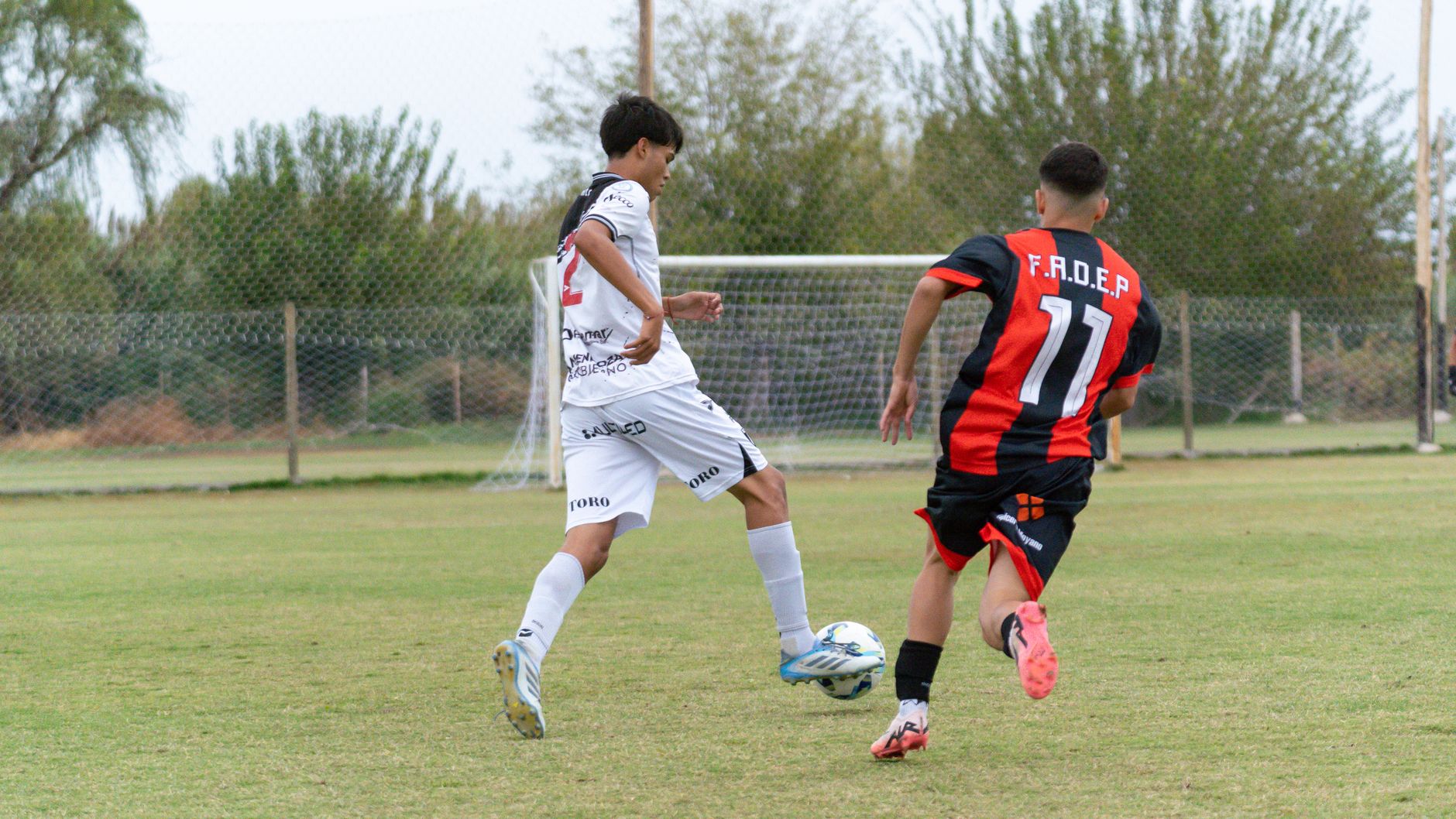
Photo by Franco Monsalvo on Pexels
Edge Cases & Gotchas
Why do some ball-control drills fail in matches?
Ball-control drills often fail to transfer because the practice removes the exact constraints that create match mistakes: pressure, uncertainty, changing angles, fatigue, and limited time. A player may complete 200 stationary touches and still miscontrol a bouncing pass when a defender approaches from the blind side. The answer is not abandoning repetition; it is adding one variable at a time and maintaining a written success threshold.
Start with an unopposed wall, then introduce a visual cue, then a passive defender, then an active defender. Keep the progression objective:
- Unopposed: at least 18 successful receptions out of 20.
- Visual cue: at least 16 out of 20 with correct directional control.
- Passive pressure: at least 14 out of 20 while protecting the ball.
- Active pressure: at least 12 out of 20 while completing the next pass.
These targets are training benchmarks, not official FIFA standards. They are useful because they prevent a common error: increasing speed before the player can control direction. The FIFA Training Centre repeatedly presents game-based practice as a way to connect technique with perception and decisions; that principle is more valuable than any single drill.
What changes for beginners, defenders, and attackers?
Beginners should prioritize balance, simple inside-foot reception, and both-foot familiarity. Defenders need control that supports safe exits, especially when receiving near their own penalty area; their first touch should often move away from the central lane. Attackers need more explosive directional control, including touches into shooting space and quick manipulation with the outside of the foot.
The surface and situation also matter. A wet artificial pitch may make the ball travel faster, while a dry natural-grass field can produce a slower, less predictable roll. At altitude, heat, or heavy rain, fatigue alters ankle stability and reaction time. This is one reason a useful session should include a short pressure block near the end, when technical quality is easier to lose.
After 30 controlled sessions, review your data rather than relying on memory. Compare strong-foot and weak-foot completion, first-touch distance, and successful actions after fatigue. If your strong foot is 90% accurate and your weak foot is 62%, spending half of every technical session on the weak side may produce a greater match benefit than learning another advanced trick.
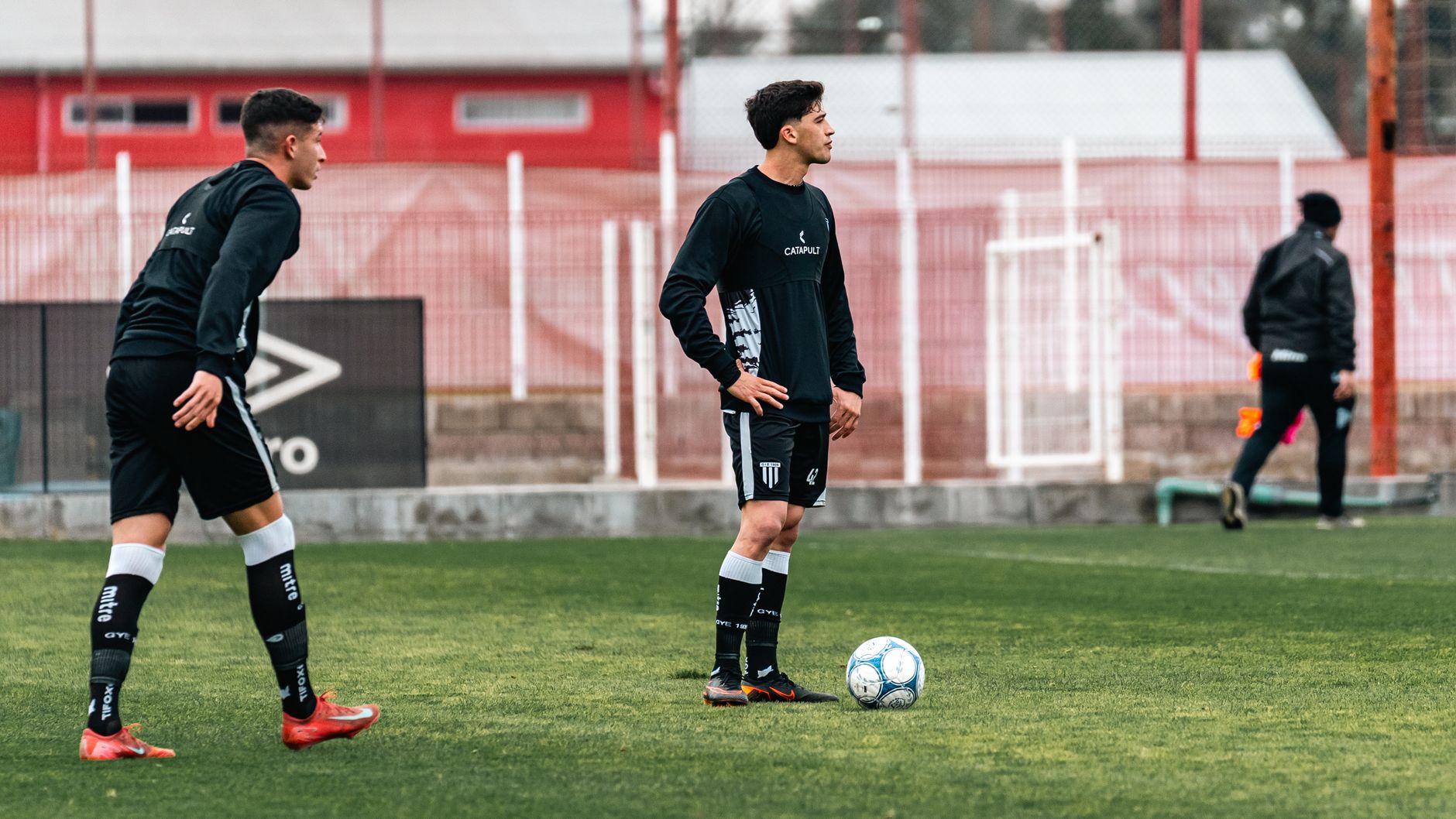
Photo by Franco Monsalvo on Pexels
Is juggling enough to improve ball control?
Juggling improves touch sensitivity, balance, and comfort with different parts of the body, but it is not enough by itself. It lacks the forward momentum, visual scanning, opponent pressure, and directional decision-making found in matches. Use juggling as a warm-up or coordination tool, then connect it to a pass, turn, sprint, or shot.
A practical sequence is 30 alternating-foot juggles, followed immediately by 10 one-touch wall passes, five receiving turns, and a 10-metre acceleration. The transition exposes whether the player can transfer light-footed control into a real action. If the ball repeatedly runs too far after juggling, the problem may be excessive force or poor body posture rather than insufficient touch skill.
For readers comparing match players through Football Insights, avoid judging control from highlight clips alone. A spectacular flick may attract attention, but repeated safe receptions under pressure reveal more about a player’s actual technical value. “Control” should be evaluated through volume, direction, pressure resistance, and the quality of the next action.
See a deeper technical breakdown before designing your next block.
Verdict
Ball control improves fastest when practice moves from predictable contact to directional decisions under pressure. Use 20–35-minute sessions three times per week, measure 20-repetition outcomes, train the weak foot deliberately, and increase difficulty only when accuracy remains stable. The core progression is touch quality, first-touch direction, scanning, and realistic opposition.
Speed still matters, but speed without control creates turnovers. Likewise, control without forward intention can produce harmless possession that never breaks a defensive line. The best players combine both: they receive with a purpose, protect the ball when necessary, and accelerate when the available space is real. For FIFA World Cup 2026 analysis, this is why a midfielder’s control statistics should be read beside passing direction, pressure events, and tactical role.
Football Insights can help you follow those tactical details, but your training log should remain brutally honest. Record successful actions, unsuccessful actions, weak-foot results, and whether the next decision improved your position. After four weeks, keep the drills that improve match-transfer numbers and remove the ones that merely feel impressive.
Ready to turn better touches into smarter match decisions?
Frequently Asked Questions
Q: What is ball control in soccer?
A: Ball control is the ability to receive, protect, move, and manipulate the ball while preparing for the next action. It includes first touch, close dribbling, juggling, turning, and control with the feet, thighs, chest, or head. Effective control is not simply keeping the ball nearby; it places the ball in useful space and preserves time for a pass, dribble, or shot. In match analysis, the quality of the next action matters as much as the initial contact.
Q: How can I improve ball control at home?
A: You can improve ball control at home with a ball, a wall, three to four metres of space, and 15–20 minutes of focused practice. Start with 60 toe taps, then complete 40 inside-foot passes per foot, 30 outside-foot touches per foot, and 20 directional receptions. Mark a 1-metre target zone and count successful contacts rather than performing repetitions without feedback. If the surface is limited, prioritize first-touch cushioning and weak-foot control instead of large dribbling patterns.
Q: What is the difference between juggling and first-touch training?
A: Juggling develops coordination and touch sensitivity, while first-touch training teaches you to control a moving ball into useful space. Juggling is predictable because the player usually determines the ball’s height and speed; first-touch work includes passes, angles, scanning, and directional decisions. Use juggling for five minutes as preparation, then spend most of the session receiving passes and performing the next action. A player seeking match improvement should not treat juggling as a complete technical program.
Q: Why does my ball control fail under pressure?
A: Ball control usually fails under pressure because the player scans late, stands square, uses excessive force, or practices at a slower speed than matches require. Add difficulty gradually: visual cues first, then a passive defender, then active opposition. Record results out of 20 and reduce the challenge if success falls below roughly 60–70%. Also check fatigue, because poor ankle stability and rushed body positioning commonly appear during the final 10 minutes of training.
Q: How often should I train ball control?
A: Three focused ball-control sessions per week, lasting 20–35 minutes, are a practical starting point for most players. Leave recovery time between intense sessions and include at least one pressure-based exercise each week. Beginners may use shorter 15-minute blocks, while advanced players can add technical work before small-sided games. Track strong-foot accuracy, weak-foot accuracy, first-touch distance, and successful actions after fatigue so the schedule responds to evidence rather than enthusiasm.
Q: Can ball control make me faster on the soccer field?
A: Ball control can make you play faster by reducing the number of corrective touches and improving the speed of your decisions. It does not replace sprint training, strength work, or change-of-direction practice. A useful drill is to receive a pass, direct the ball 1–2 metres into space, and accelerate for 5–10 metres immediately afterward. Progress only when the first touch remains accurate, because a fast run after a misplaced touch usually creates a turnover rather than an advantage.
Q: Should I practice more with my weak foot?
A: Yes, deliberate weak-foot practice is one of the highest-value ways to improve reliable ball control. Begin with simple wall passes and receptions, then add outside-foot touches, directional turns, and pressure. A useful benchmark is to compare 20 repetitions on each side; if your strong foot succeeds 18 times and your weak foot succeeds 12 times, dedicate about 40–50% of technical repetitions to the weaker side. Continue until the gap narrows without sacrificing decision quality.